Issue Summary
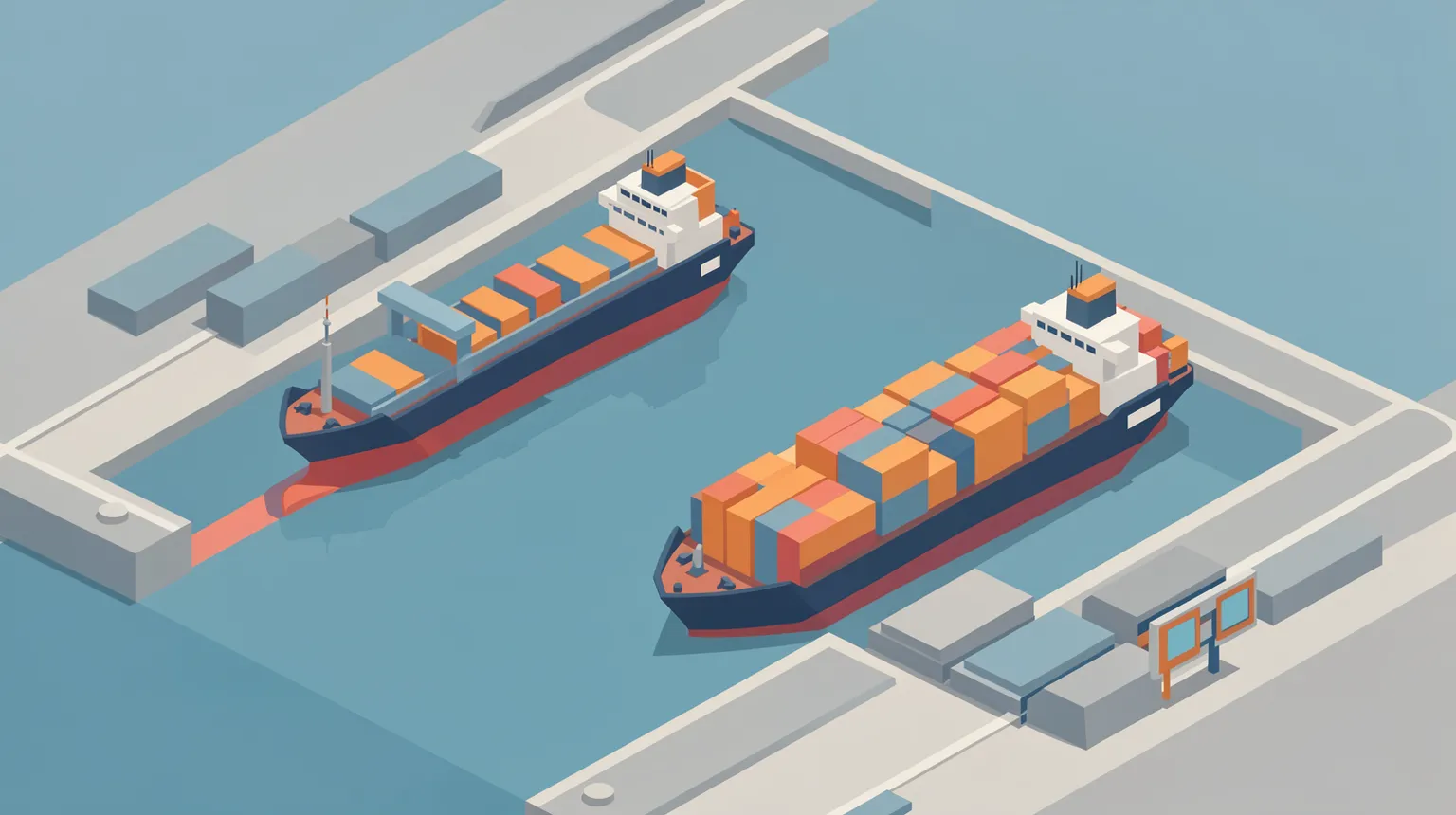
For most production leaders, a port is an abstract starting point or an end destination—a line item in a shipping manifest. But for those of us who actually manage the flow of goods, we know that these maritime hubs aren't just endpoints; they are critical single points of failure. When a major port grinds to a halt due to labor disputes or infrastructure bottlenecks, it doesn’t just delay a shipment; it creates a shockwave that travels back through every link in your supply chain until it hits your production floor.
The problem is that many organizations treat these external "shocks" as unpredictable acts of God rather than predictable risks of the current operating model. We have optimized for flow under perfect conditions while neglecting how to operate when the flow stops. This issue diagnoses why we’ve become so vulnerable to these choke points and provides a framework for building operational resilience that doesn't rely on the "perfect" path being open every single day.
The Fragility of Flow: When Infrastructure Becomes a Choke Point
In our pursuit of lean operations, we have fallen into what I call The Port Dependency Myth. This is the belief that because an infrastructure point has functioned reliably for years, it will continue to do so indefinitely. We treat the port as a constant in our equations rather than a variable.
I’ve seen this play out on the floor: a company spends two years perfecting a "just-in-time" arrival schedule, trimming every inch of safety stock until they are running at peak efficiency. Then, a single labor dispute at a primary hub shuts down the flow for ten days. Suddenly, that lean process becomes a liability. The line stops because there is no "fat" left in the system to absorb the shock.
The reality is that we have traded resilience for marginal gains in cost-efficiency. We haven't eliminated waste; we’ve just moved it off the balance sheet and into our risk profile. When you rely on a single path with zero redundancy, you aren't being "lean"—you are being fragile. The goal isn't to pretend these bottlenecks won't happen; the goal is to ensure that when they do, your production line doesn't become a casualty of someone else’s labor dispute.
Why Do We Trust The Single Path?
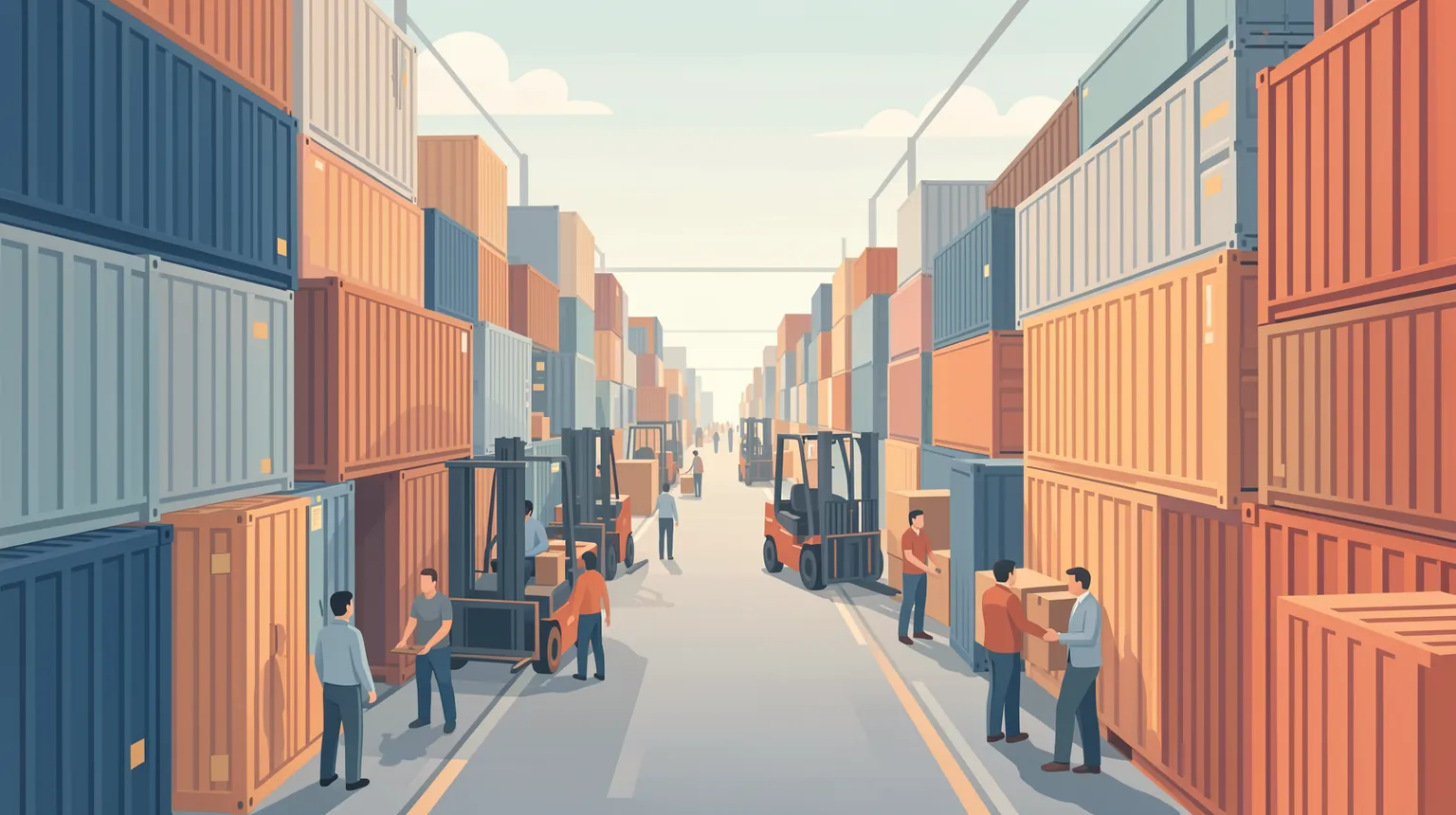
Why does this keep happening? It usually comes down to how we define "optimization." In most manufacturing environments, optimization is measured by what happens during normal operations. If the port is moving and the trucks are arriving on time, the current system looks like a masterpiece of engineering. We reward the people who make it work today, while ignoring the fact that they are leaving us exposed to tomorrow's crisis.
We prioritize "optimized" paths because they look better in quarterly reviews. However, an optimized path that has no fallback is just a single point of failure waiting for a trigger. To understand why we stay stuck in this cycle, we have to look at the difference between what we say and what we actually do:
| The Comfortable Rationalization | The Underlying Reality |
|---|---|
| "We are running a lean supply chain to maximize capital efficiency." | We have removed all buffers because we were afraid of carrying inventory costs. |
| "The port situation is an external factor outside our control." | We chose a single-source route specifically to save 2% on shipping, sacrificing any ability to pivot. |
| "We have a robust logistics partner." | Our partner is just as dependent on the same infrastructure we are; they aren't a solution, they’re a passenger. |
| "It hasn't happened yet, so it isn't a priority." | We are ignoring the risk until it becomes an emergency, at which point our response will be reactive and expensive. |
The True Cost of Nothing Moving
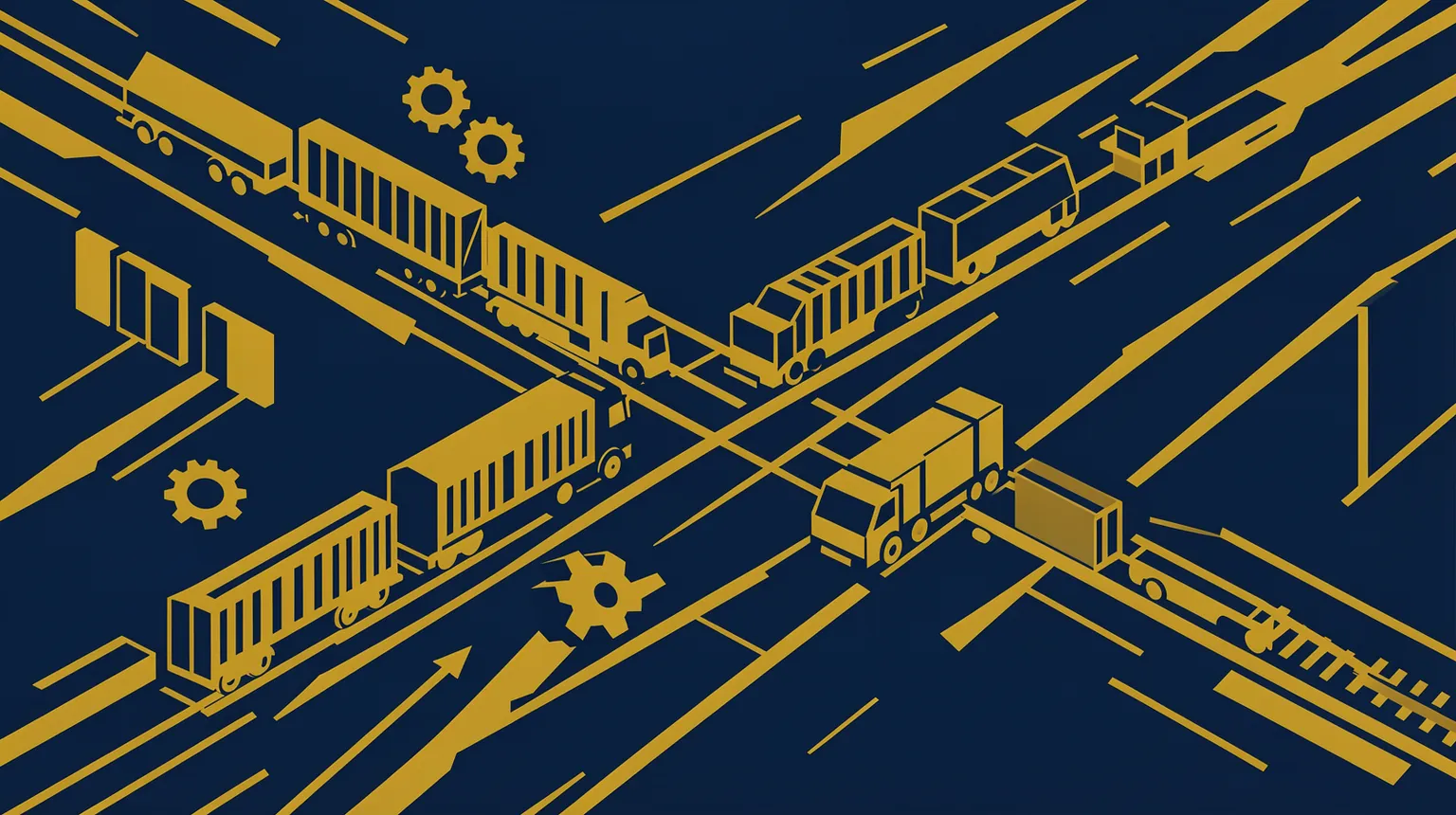
When the line stops because a container is stuck three states away, the cost isn't just the shipping delay. It’s much deeper than that. People often focus on the "lost production" number, but they miss the secondary costs that bleed an organization dry.
First, there is the Inventory Spoilage and Obsolescence. If you are moving perishables or components with a short shelf life, a bottleneck doesn't just delay a sale; it destroys the product on the dock. Second, consider the Stranded Asset Cost. You have trucks, cranes, and warehouse staff sitting idle because they have nothing to move. Those machines were paid for to produce value; when they sit still, you are burning cash without generating output.
Finally, there is the National Economic Drag—or in your case, the "Momentum Loss." When a line stops, it takes time to restart. You lose your rhythm, your shift schedules get thrown into chaos, and your downstream customers start looking for more reliable suppliers. The avoided conversation about building redundancy feels like a win today, but the delayed consequence is usually an expensive, public failure that's much harder to recover from once the line goes dark.
Designing for Downtime: Four Pillars of Operational Resilience
Resilience is not a feeling; it is a set of deliberate operational choices. To survive these bottlenecks, we have to move away from "just-in-time" as an absolute and toward "just-in-case" for critical components. Here are the four pillars I want you to use to audit your current setup:
1. Physical Asset Redundancy
You must identify which components are "non-negotiable"—the parts that, if missing, stop the line entirely. For these items, do not rely on a single port or a single carrier route. You need pre-vetted secondary paths, even if they cost more per unit. It is better to pay 5% more for a guaranteed path than 100% of your revenue when the primary path closes.
2. Data Flow Redundancy
When infrastructure fails, information often disappears first. If you can't see where your cargo is because a port's tracking system went offline during a strike, you are flying blind. Ensure your data feeds have secondary sources and that your team has a manual "heartbeat" check—a way to verify status without relying on the primary digital dashboard.
3. Strategic Inventory Buffers
We need to stop treating all inventory as waste. Critical components require a "strategic buffer." This isn't about overstocking everything; it’s about identifying the high-risk nodes in your supply chain and building enough of those specific parts to survive a 14-day total stoppage at a primary hub.
4. Alternative Governance Paths
When a crisis hits, who has the authority to make a move? Most companies wait for "corporate" to decide while the line sits idle. You need an escalation logic that empowers local leaders to switch to secondary suppliers or alternative routes immediately when specific triggers (like a 48-hour port delay) are met.
Practical Takeaways: What to Audit This Week
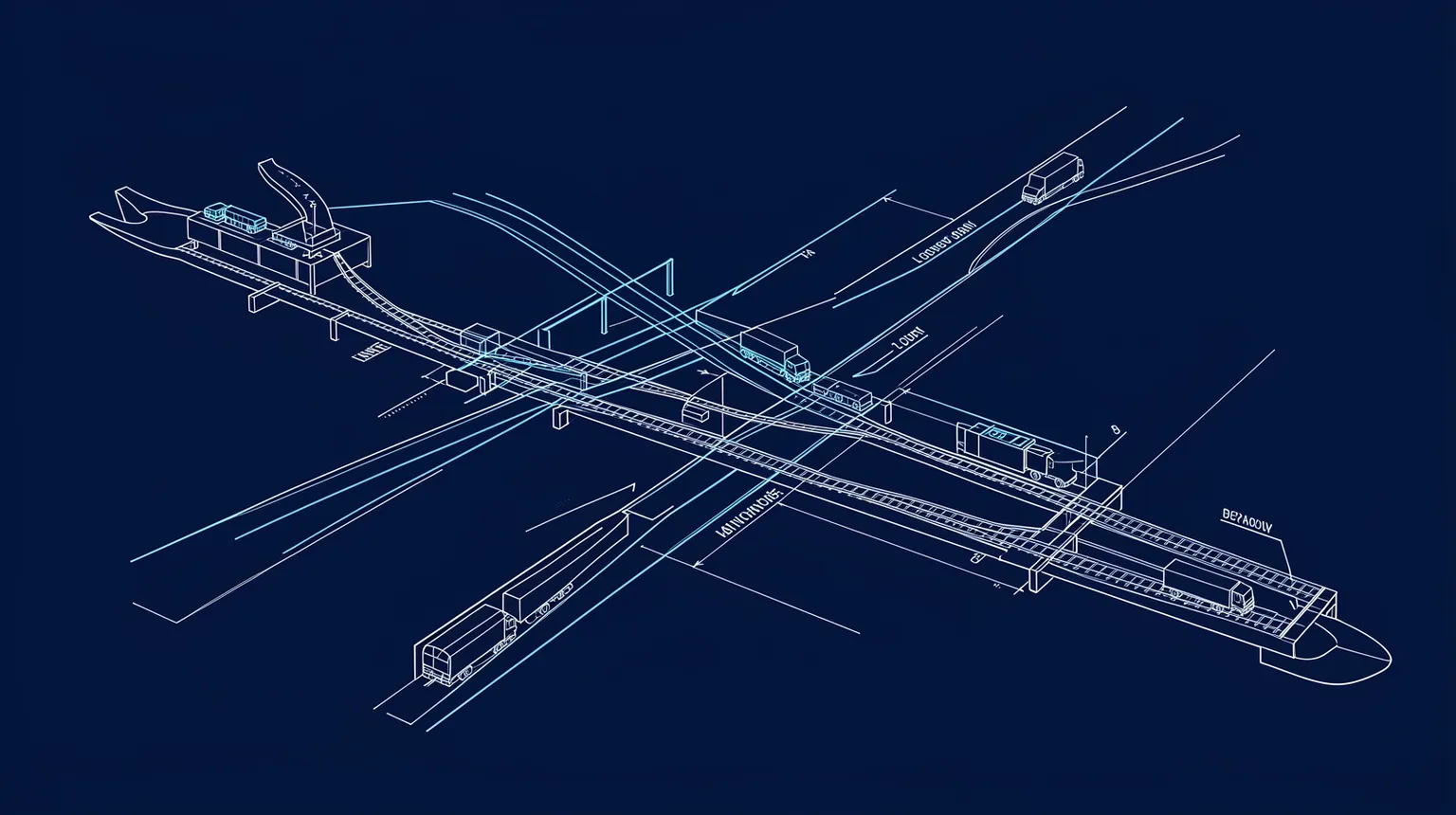
You don't need a massive consulting project to start this work. Start with these three actions on your next walk through the facility or during your next planning meeting:
- Identify the "Kill Switches": Sit down with your production leads and ask, "Which three components would stop the line today if they didn't arrive by Friday?" Trace those items back to their point of origin. If all three come through a single port or from a single supplier region, you have identified a critical vulnerability.
- Audit Buffer Minimums: Look at your current safety stock levels for those "Kill Switch" components. Are they calculated based on normal lead times? Recalculate them based on a disrupted lead time (e.g., what happens if the port is closed for 10 days?).
- Verify Secondary Contracts: Don't just say you have an "alternative." Call your secondary logistics provider or supplier this week. Confirm their current capacity and ensure that your contract actually gives them priority during a surge. A "plan" on paper is not a backup; a verified, active agreement is.
Download and Share This Issue
Call to Action
What physical asset in your supply chain carries disproportionate risk? Share what you are doing differently at [[email protected]] or tag a colleague who needs this diagnosis: @kaizen6sigma
Newsletter replies and questions: [email protected]
Follow updates on X.com: @kaizen6sigma